
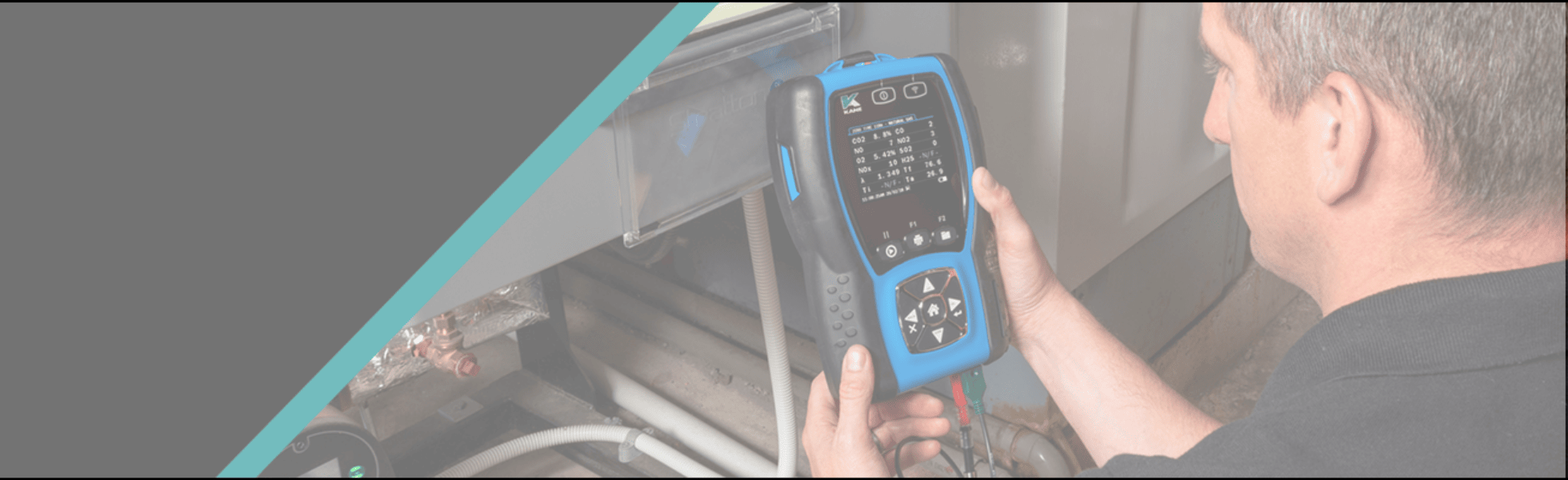
Combustible Gas Detectors
Leading Combustible Gas Detectors Manufacturer
A flammable gas detector is a critical industrial gas safety device designed to monitor flammable gas concentrations in real time. Widely used in petrochemical plants, gas pipelines, and industrial production facilities, it ensures workplace safety and prevents fire or explosion accidents.
The detector works by sensing the properties of various flammable gas components through advanced sensors such as electrochemical, infrared, and thermal conductivity types. Processed signals provide accurate gas concentration readings, and when levels reach a dangerous or warning threshold, the device immediately triggers an acousto-optic alarm, allowing timely preventive action.
As a key tool for gas detection, combustion efficiency optimization, and environmental compliance testing, the performance of a flammable gas analyzer—including accuracy, stability, and anti-interference capability—directly impacts industrial safety, energy costs, and environmental inspection pass rates. All instruments meet international ISO standards, making them the preferred choice for high-end customers in global gas detection solutions.
GMI Gasurveyor 700 Series
Utilising the latest infrared gas detection technology in a robust and reliable design, the GMI Gasurveyor 700 (GS700) is a highly configurable instrument with leading performance and a user-friendly interface which makes it the perfect choice for all gas utility applications.
FAQs
Q1. What is a combustible gas detector and how does it work?
A combustible gas detector is a safety device designed to detect flammable or explosive gases such as methane, propane, LPG, and hydrogen in the air. It uses advanced sensor technology (e.g., catalytic, infrared, or semiconductor sensors) to monitor gas concentration levels in real time and triggers audible and visual alarms when dangerous levels are detected to help prevent fire or explosion hazards.
Q2. Where should combustible gas detectors be installed for optimal safety?
Fixed combustible gas detectors should be installed near potential gas leak sources such as gas pipelines, valves, and equipment rooms. The installation height depends on the gas type — lighter gases like methane should be placed near the ceiling while heavier gases like propane are better detected closer to the floor. Proper airflow and maintenance access are also key to effective monitoring.
Q3. How often should I test or replace my gas detectors?
Gas detectors require regular testing and maintenance to ensure sensor accuracy. While some detectors can last several years, many manufacturers recommend replacing sensors or the entire unit every 5–10 years depending on usage, environmental conditions, and sensor degradation over time. Regular calibration and functional tests help determine if replacement is needed sooner.
Q4. What gases can combustible gas detectors detect?
Most combustible gas detectors monitor common flammable gases including methane (natural gas), propane (LP), butane, and hydrogen. Some models also support multiple gas detection ranges and adjustable sensitivity thresholds to meet specific application needs.